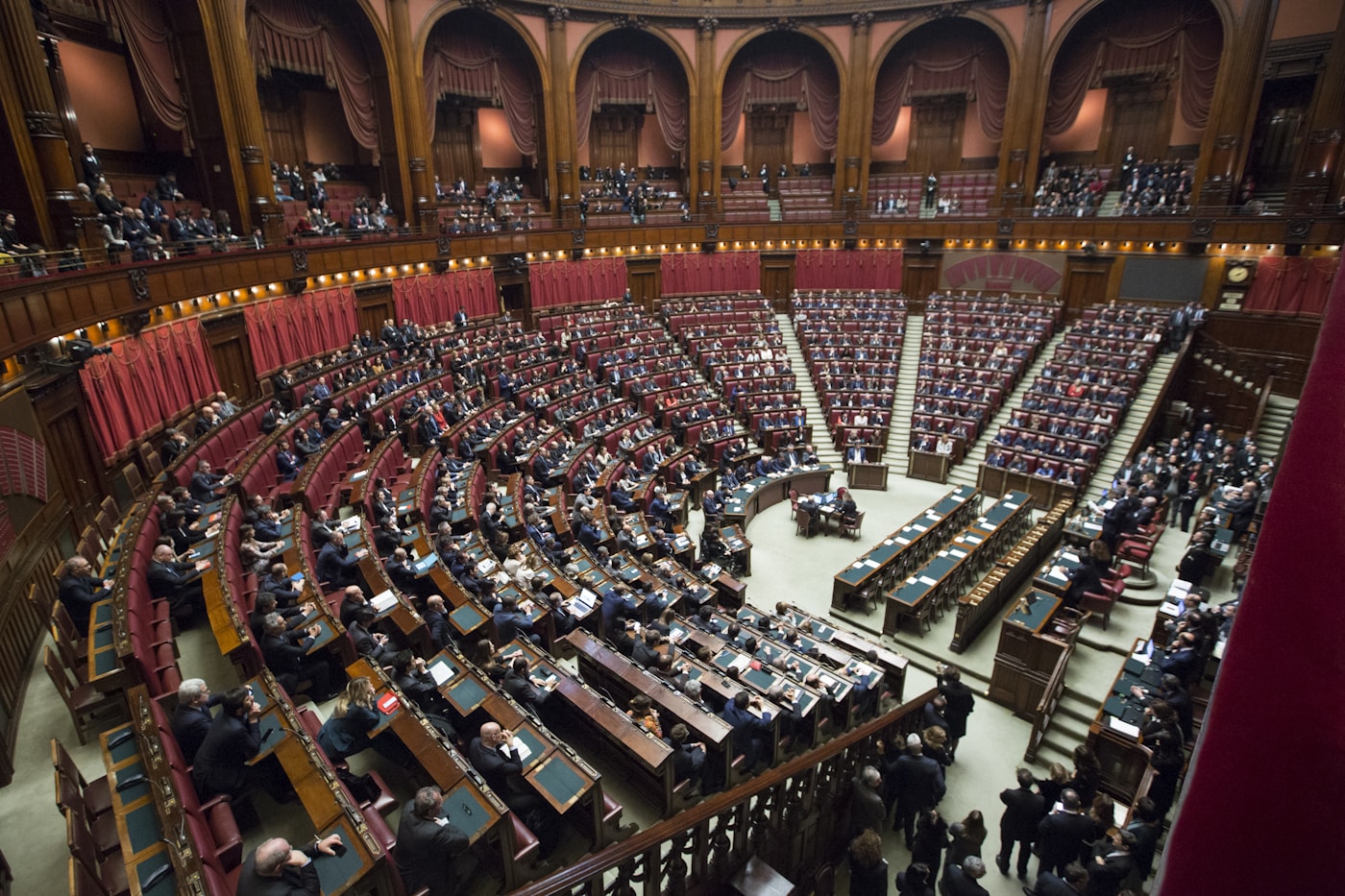
Paris, 25 November 2025 — The 43rd session of the UNESCO General Conference concluded after two weeks of deliberations, adopting a series of normative instruments and electing new members to UNESCO's Executive Board. The session, attended by delegates from all 194 Member States, addressed a sweeping agenda spanning education, culture, science, communication, and emerging technologies.
New Normative Instruments
Among the most significant outcomes, the General Conference adopted the Recommendation on Open Science Information, committing Member States to ensure that publicly funded research outputs — including publications, data, and methodologies — are freely accessible under open licensing conditions.
Delegates also adopted a resolution strengthening UNESCO's mandate on the ethics of emerging technologies, including biotechnology, neurotechnology, and advanced materials, expanding the scope of the 2021 AI Ethics Recommendation framework.
Executive Board Elections
Fifty-eight Member States were elected to UNESCO's Executive Board, which oversees the implementation of the programme and budget adopted by the General Conference. The new Board reflects UNESCO's commitment to equitable geographic representation.
Budget and Programme 2026–2027
The General Conference approved a Programme and Budget for 2026–2027 of USD 591 million, representing a modest increase from the previous biennium. Priority allocations were directed towards education in emergency settings, AI ethics governance, and climate-heritage nexus programming.
Director-General's Address
In her closing address, Director-General Audrey Azoulay called on Member States to intensify multilateral cooperation in the face of compounding global crises: "Multilateralism is under strain precisely when the world needs it most. UNESCO stands as a testament to what nations can achieve together. We will not waver in that commitment."